How to Monitor Twitter Crypto Calls With Data

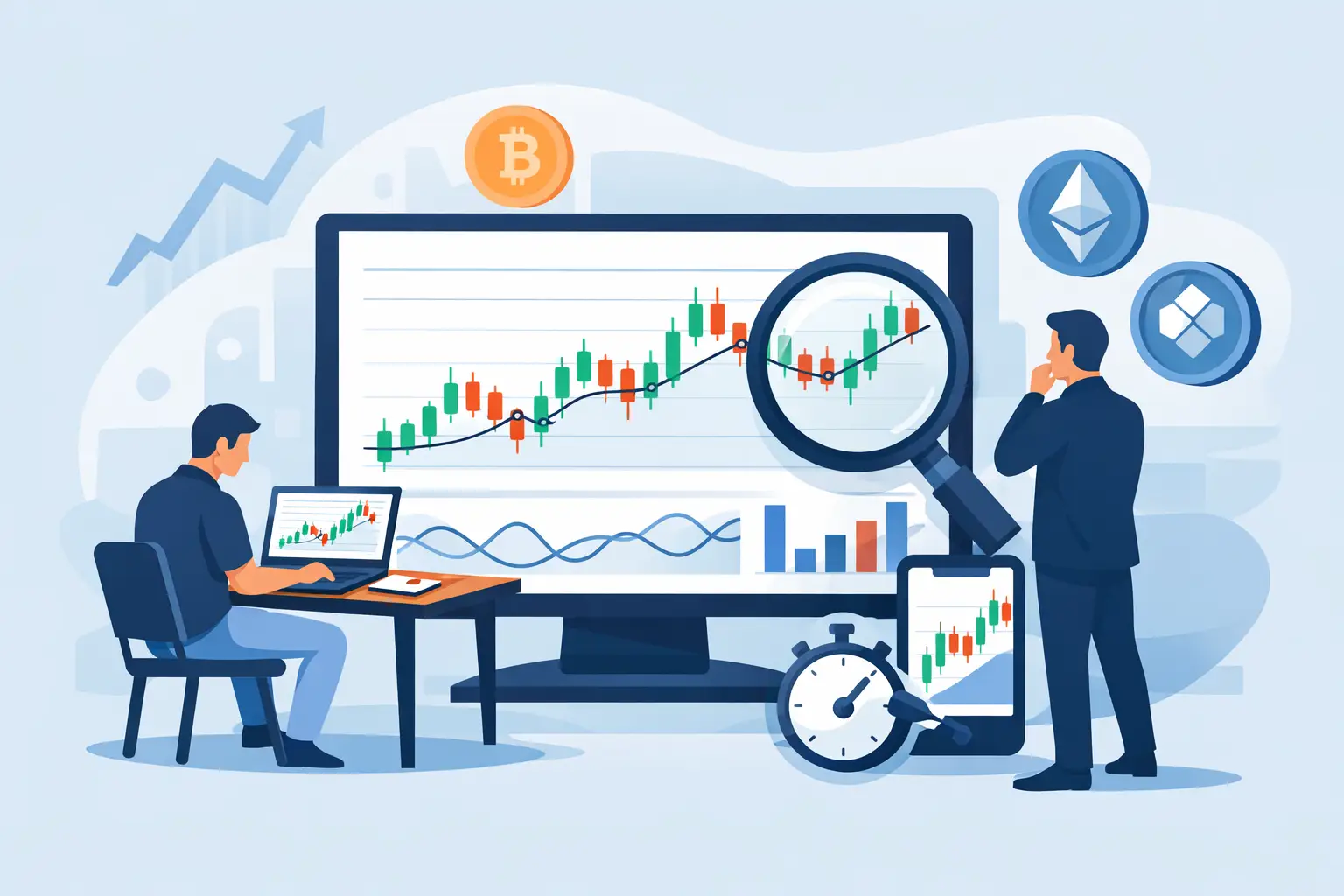
A crypto call that looks brilliant in a screenshot may have been posted after the move, deleted after a loss, or framed so vaguely that no outcome can be measured. That is the core problem with learning how to monitor Twitter crypto calls. The task is not finding loud accounts. It is building a repeatable process for determining whether a call was timely, specific, and historically useful.
X still moves fast enough to influence short-term crypto sentiment, particularly around newly listed tokens, perpetual futures, narratives, and large-cap breakouts. But speed does not equal reliability. A disciplined monitoring process turns a stream of posts into evidence: timestamped calls, defined conditions, measured returns, and comparable performance.
Start by Defining What Counts as a Crypto Call
Not every market post is a call. "BTC looks strong" is commentary. "Buying BTC between $62,000 and $63,000, invalidation below $60,500, first target $66,000" is a testable trade idea. If the entry, direction, timing, or invalidation is missing, the post may still be useful context, but it should not be counted as a verified signal.
Create a clear classification system before you begin tracking accounts. A practical framework separates posts into directional commentary, spot trade calls, derivatives trade calls, token theses, and post-event updates. This prevents a common error: giving an influencer credit for a market move based on a general opinion that could not have been traded.
Specificity matters because it determines whether performance can be measured fairly. For each eligible call, record the asset, long or short direction, entry range, time posted, targets, stop or invalidation level, and any stated holding period. If one of these fields is absent, mark it as incomplete rather than filling gaps with assumptions.
Build a Watchlist Around Relevance, Not Follower Count
A large audience can amplify a post, but it does not prove the author can identify high-quality setups. Build a watchlist based on the markets you actually trade or research. A long-term investor may prioritize analysts who publish allocation theses and risk frameworks. An active trader may need accounts with explicit entries, exits, and time horizons.
Start with a manageable group. Ten to 25 accounts is enough to establish a useful baseline without creating a review burden. Include different styles where relevant: macro-focused analysts, Bitcoin and Ethereum specialists, altcoin researchers, on-chain commentators, and short-term derivatives traders.
Avoid treating every account equally. A trader who posts three precise setups per month should not be compared directly with an account publishing 20 rapid-fire token mentions per day. Frequency affects the number of opportunities, but quality must be measured per call and across a meaningful sample size.
How to Monitor Twitter Crypto Calls Without Hindsight Bias
The largest threat to accurate monitoring is hindsight bias. Once a token rises, users tend to search for any earlier bullish post and call it a win. The same pattern occurs after a decline, when a broad warning is reinterpreted as a precise short call. Neither approach produces reliable analytics.
Capture calls when they appear. Record the original timestamp and preserve the exact wording, including images or follow-up posts where they define the trade. Do not evaluate the call only after the chart has moved. A call must be assessed based on what was publicly available at the time an investor could reasonably act on it.
Then establish an outcome rule in advance. For example, a spot call may be evaluated against a target return, stop-loss level, or fixed time window. A swing-trade call might close when the stated target or invalidation is reached. A long-term thesis may need a longer evaluation period, but it still requires a predefined benchmark.
This structure also protects against selective reporting. If an account posts five calls and highlights only the one that gained 80%, your records should still include the four that failed, stalled, or were never properly closed. Deleted posts, edited language, and quiet losses are data points, not exceptions to ignore.
Track the Metrics That Show Actual Signal Quality
Raw win rate alone is not enough. An account can show an 80% win rate while taking small gains and allowing occasional losses to overwhelm them. Likewise, a lower win rate can be profitable if average winners materially exceed average losers. Performance needs context.
For each account, track a consistent set of metrics:
- Win rate: The percentage of completed calls that reached the defined success condition.
- Average ROI: The average percentage return across calls, using the same measurement method each time.
- Median ROI: A useful control against one outlier trade distorting results.
- Maximum drawdown: The largest decline experienced from a stated entry before resolution.
- Risk-adjusted outcome: Whether returns justify the downside implied by the stop, invalidation, or observed drawdown.
- Sample size: The number of calls behind the performance record.
A 90% win rate across 10 calls deserves attention, but it does not carry the same weight as a 65% rate across 150 clearly documented calls. Sample size does not guarantee future performance. It does make the historical record harder to manufacture through selective examples.
Also separate realized and unrealized outcomes. If an influencer posts a target but never states an exit, do not assume the full peak return was captured. Market price touching a level is not the same as a trader executing there. Conservative scoring is more credible than optimistic reconstruction.
Read the Context Around the Call
A technically accurate call can still be unsuitable for your portfolio. Review the conditions attached to the idea. Is the account calling for a 2% intraday move on high leverage, or a six-month position built around a protocol upgrade? Are they trading liquid majors or thinly traded microcaps where posted entries may be impossible to obtain?
Liquidity is especially relevant on X. A large account can move small-cap prices simply by naming a token. In those cases, followers who enter after publication may become exit liquidity for earlier buyers. Look for disclosures, wallet transparency where applicable, and language that distinguishes research from promotion.
Pay attention to revisions as well. Good analysts change their view when market conditions invalidate it. The question is whether they communicate the change promptly and clearly. An accountable update says the thesis is invalid, identifies why, and shows how risk is being managed. It does not quietly replace the original prediction with a new narrative.
Use Tools to Reduce Manual Noise
Manual tracking can work for a small watchlist, but it becomes inconsistent as volume rises. Native X lists, keyword alerts, and saved searches can help surface posts from selected accounts and identify phrases such as "entry," "target," "stop," or "invalidated." They are collection tools, not verification tools.
The harder part is normalizing results across platforms and time periods. A structured analytics platform such as My Crypto Monitor can reduce that workload by organizing public calls into comparable historical performance data. The value is not another feed of opinions. It is the ability to review backtested outcomes, ROI, win rates, and trust-oriented performance indicators before deciding whose content deserves attention.
Whether you track calls yourself or use a dedicated research layer, keep your rules consistent. Do not give favored accounts generous entry assumptions while applying strict criteria to accounts you distrust. A repeatable methodology is what makes the comparison useful.
Set Decision Rules Before You Act
Monitoring should improve decision quality, not create more impulsive trades. Decide in advance how influencer research fits into your process. One investor may use high-performing accounts as a source of ideas, then verify token fundamentals and liquidity independently. Another may require agreement from multiple historically reliable analysts before opening a position.
Do not outsource risk management. Even a source with strong historical ROI will have losing periods, and crypto market regimes change quickly. Size positions according to your own portfolio limits, define invalidation before entry, and avoid treating a social post as a substitute for due diligence.
The most useful X accounts are not necessarily the most entertaining or confident. They are the ones whose ideas can be timestamped, tested, scored, and held accountable. Monitor the record, not the rhetoric, and let verified history determine which calls earn your attention.
Not financial advice — read our risk disclosure.